

The Crack Guys Implement Advanced Crawl Space Encapsulation Protocols to Address Humidity and Structural Integrity

The Crack Guys logo and company slogan
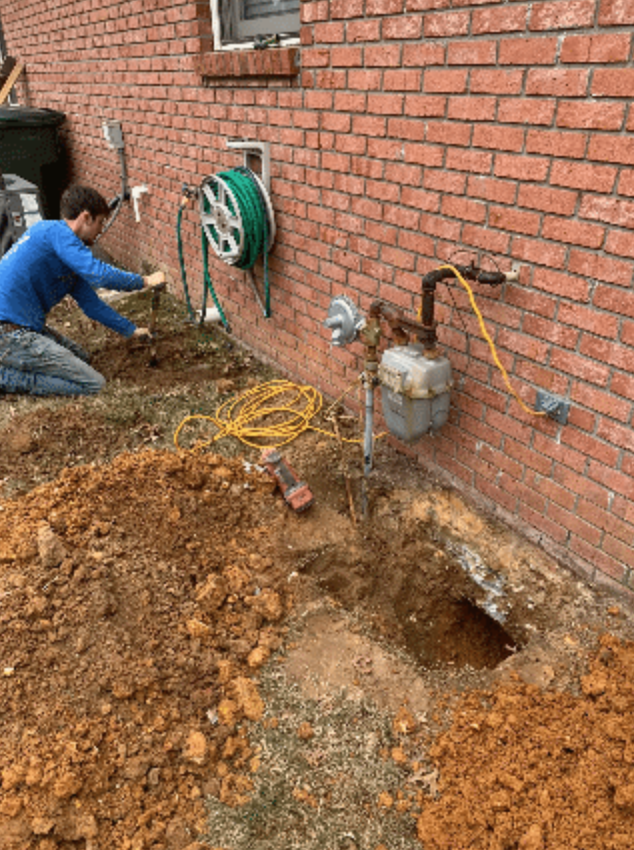
The Crack Guys implement advanced crawl space encapsulation to address humidity, structural decay, and energy efficiency in Southern residential properties.
HARTSELLE, AL, UNITED STATES, April 14, 2026 /EINPresswire.com/ -- In response to the persistent challenges of high humidity and soil moisture characteristic of the Southern United States, The Crack Guys, a regional specialist in foundation repair and soil stabilization, has announced the formal expansion of its crawl space encapsulation protocols. The initiative seeks to address the systemic issues of mold proliferation, wood rot, and energy inefficiency that frequently affect homes built on crawl space foundations. By utilizing industrial-grade vapor barriers and mechanical dehumidification, the organization aims to transition residential structures from traditional vented designs to modern, sealed environments.The Southern climate presents a unique set of variables for building physics. With average relative humidity levels often exceeding 70 percent, the traditional method of venting crawl spaces—once thought to allow for natural drying—is increasingly recognized by building scientists as a contributor to moisture accumulation. The Crack Guys’ adoption of comprehensive encapsulation techniques reflects a broader shift in the construction and renovation industries toward controlled indoor environments as a means of preserving structural longevity.
The Mechanics of the "Stack Effect" and Indoor Air Quality
The primary driver behind the need for crawl space intervention is a phenomenon known in the building industry as the "Stack Effect." This process describes the upward movement of air throughout a building. As warm air rises and escapes through the upper levels and roof of a home, it creates a vacuum effect that draws air upward from the lowest point—the crawl space.
Research suggests that approximately 40 to 50 percent of the air breathed on the first floor of a home originates in the crawl space. When these sub-floor areas are left exposed to raw earth and outdoor humidity, the air being drawn into the living quarters often carries high concentrations of moisture, soil gases, and organic particulates. By sealing the crawl space, The Crack Guys aim to isolate the home’s envelope from the ground, thereby improving the baseline air quality of the entire structure.
“The integration of the crawl space into the home’s conditioned envelope is a fundamental shift in how we approach Southern architecture,” said a spokesperson for The Crack Guys. “For decades, the standard practice was to install vents, assuming that airflow would mitigate dampness. However, in a humid climate, these vents serve as conduits for moisture. Encapsulation is a data-driven response to the failures of the vented model, prioritizing a dry, stable environment over uncontrolled ventilation.”
Technical Components of the Encapsulation Process
The encapsulation process implemented by The Crack Guys involves a multi-stage technical overhaul of the sub-structure. The procedure begins with the assessment and mitigation of any existing standing water or drainage issues. This often includes the installation of interior perimeter drains and sump pump systems to ensure that liquid water is redirected away from the foundation before the sealing process begins.
The core of the system is the installation of a high-performance vapor barrier. Unlike thin, 6-mil polyethylene plastic often found in standard construction, the professional-grade liners used in this protocol are typically 12 to 20 mils thick and reinforced with polyester cord. This material is designed to withstand punctures and prevent the diffusion of moisture vapor from the soil. The liner is not merely laid on the ground; it is mechanically fastened to the foundation walls and sealed with industrial-grade adhesive and waterproof tape, creating a continuous "bathtub" effect that isolates the structure from the earth.
Following the sealing of the floor and walls, all external vents are decommissioned and sealed with airtight covers. This prevents the entry of humid outdoor air and pests. To manage the internal environment of the newly sealed space, a specialized crawl space dehumidifier is installed. These units differ from standard residential dehumidifiers in their capacity to operate in cooler temperatures and their ability to move significantly higher volumes of air. The dehumidification system is set to maintain a relative humidity level below 55 percent, the threshold at which most mold species and dust mites can no longer survive.
Combating Structural Decay and Biological Growth
One of the most significant implications of unmanaged crawl space moisture is the degradation of the home’s wooden skeletal system. Most Southern homes utilize floor joists and sub-flooring made of pine or other softwoods. When the moisture content of this wood exceeds 19 to 20 percent for an extended period, it becomes susceptible to wood-destroying fungi, commonly referred to as "white rot" or "brown rot."
In addition to structural decay, high moisture levels facilitate the growth of mold colonies on organic surfaces. Mold spores are a common allergen and can exacerbate respiratory conditions such as asthma. By removing the moisture source, encapsulation effectively halts the biological processes required for mold and fungi to thrive.
“Maintaining the structural integrity of a home requires a proactive approach to moisture management,” noted the technical director at The Crack Guys. “Once wood rot begins, the load-bearing capacity of the floor joists is compromised, leading to sagging floors and cracked drywall in the living areas above. Encapsulation serves as a preventative measure that addresses the root cause of these structural failures rather than merely treating the symptoms.”
Energy Efficiency and Economic Considerations
The impact of crawl space conditions extends to the home’s thermodynamic performance. Humid air is significantly more difficult and expensive to cool than dry air. When a crawl space is vented, the home’s HVAC system must work harder to remove the moisture introduced by the Stack Effect. By sealing the crawl space and maintaining a controlled humidity level, homeowners often see a reduction in energy consumption.
According to studies by the Advanced Energy corporation and other building science organizations, a properly encapsulated crawl space can reduce a home's heating and cooling costs by up to 15 to 18 percent. This is attributed to the reduction in latent heat load—the energy required to remove moisture from the air. Furthermore, the insulation of the crawl space walls, rather than the floor joists, creates a thermal buffer that helps maintain consistent floor temperatures during the winter months.
From a real estate perspective, the condition of the crawl space is a frequent point of contention during property inspections. Evidence of mold, wood decay, or standing water can significantly impact a property's market value or even prevent the closing of a sale. The documentation of a professionally installed encapsulation system provides a verifiable record of moisture management that can serve as an asset during the appraisal and sale process.
Historical Context and Industry Evolution
The shift toward encapsulation represents an evolution in building codes and practices. Throughout much of the 20th century, building codes across the United States required crawl space vents based on the assumption that they would prevent moisture buildup. This logic was largely imported from more arid or temperate climates where the dew point is rarely reached within a sub-structure.
In the humid South, however, the "venting" theory failed to account for the fact that outdoor air in the summer often carries more moisture than the air inside the crawl space. When this warm, moist air enters a cool crawl space, it reaches its dew point and condenses on the cooler surfaces of the joists, pipes, and ductwork. It was not until the early 2000s that comprehensive studies began to demonstrate the superior performance of closed crawl spaces in humid regions.
The Crack Guys have integrated these modern findings into their service offerings, moving away from the "passive" management of crawl spaces toward an "active" environmental control model. This transition reflects a wider trend in the industry where foundation specialists are increasingly acting as building scientists, focusing on the intersection of soil mechanics, thermodynamics, and air quality.
Addressing the "Silent Home Killer" Label
The phrase "silent home killer" is often used in the industry to describe the combination of mold and wood rot because the damage occurs out of the sight of the homeowner. Unlike a roof leak or a plumbing burst, crawl space issues often manifest slowly over years. By the time a homeowner notices a musty odor or a "spongy" feel to the floors, the structural damage may already be extensive.
“The difficulty with crawl space issues is their invisibility,” said the spokesperson. “Most residents do not regularly inspect the area beneath their homes. Our role is to provide a permanent solution that removes the uncertainty. When we encapsulate a space, we are essentially extending the life of the house. We are taking an area that was once a liability and turning it into a clean, dry, and conditioned part of the building.”
Industry and Community Impact
The implementation of these advanced encapsulation services by The Crack Guys is expected to have a ripple effect on the local renovation market. As more homeowners become aware of the benefits of moisture control, the demand for high-quality materials and skilled labor in the foundation sector continues to grow.
Furthermore, the focus on mold mitigation has significant public health implications. By reducing the fungal load in residential structures, these interventions contribute to a healthier indoor environment for vulnerable populations, including children and the elderly. The Crack Guys emphasize that while encapsulation is a mechanical process, its primary goal is the creation of a stable and safe habitation environment.
About The Crack Guys
The Crack Guys is a specialized foundation repair and crawl space remediation company serving the Southern United States. The organization focuses on providing engineered solutions for a variety of structural issues, including foundation settlement, wall failure, and moisture intrusion. With a team of trained technicians and a commitment to utilizing industry-leading materials, The Crack Guys aim to provide long-term stability for residential and commercial properties. The company’s approach is rooted in building science, prioritizing objective data and proven methodologies to address the unique geological and climatic challenges of the region.
Ronnie Mixon
The Crack Guys
+1 2567925588
email us here
Visit us on social media:
Facebook
YouTube
X
Legal Disclaimer:
EIN Presswire provides this news content "as is" without warranty of any kind. We do not accept any responsibility or liability for the accuracy, content, images, videos, licenses, completeness, legality, or reliability of the information contained in this article. If you have any complaints or copyright issues related to this article, kindly contact the author above.
